Understanding House Edge Across Popular Games
Education only. No advice to gamble. 18+ or 21+ where required. If play is a problem, seek help (see link at the end).
On this page (12 sections)
- A cold open at the pit
- The one‑minute answer
- Wait, edge is not RTP, and neither is variance
- Where do these numbers come from?
- Let’s group games by how much skill matters
- Quick math intermission
- How to use this in real life
- Big cheat sheet: common house edges by game
- Common myths and the real story
- Where to verify numbers and rules
- FAQ
- Key takeaways
Education only. No advice to gamble. 18+ or 21+ where required. If play is a problem, seek help (see link at the end).
A cold open at the pit
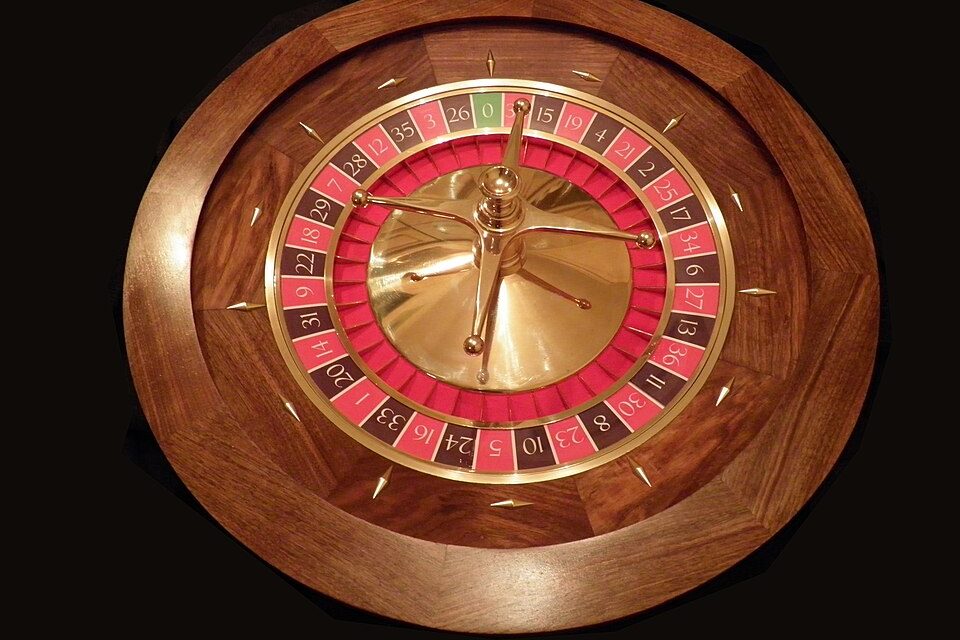
Picture a busy casino floor. Two roulette wheels sit side by side. One has a single green zero. The other has two. The crowd splits by color and sound. Some follow “lucky numbers.” Few notice the small sign that shows the rules. That tiny rule change is the real story. It moves the math. It changes what the house keeps. This quiet thing is called the house edge.
The one‑minute answer
House edge is the average share the casino keeps from bets over time. It comes from the rules and the pay table. It is not a trick. It is math. For a short time, anyone can win or lose. Over a long time, the edge shows.
- Lowest edge in common play: blackjack with good rules and perfect basic strategy.
- Steady mid edge: single‑zero roulette and banker bet in baccarat.
- High edge: tie in baccarat, many craps prop bets, triple‑zero roulette, and most lottery style games.
- Rules move the edge a lot. A single change (like 6:5 blackjack pay) can double it.
Formal words and a clean note on the idea: see the formal definition of house edge. It is the long‑run ratio of expected loss to your total bet.
Wait, edge is not RTP, and neither is variance
Three words look close but mean different things:
- House edge: the built‑in margin for the house.
- RTP (return to player): the part paid back to players on average. RTP = 100% − house edge.
- Variance (or volatility): how “bumpy” results feel from bet to bet.
A game can have a low edge but still swing hard. Video poker with the right pay table has a low edge if you play perfect. But it still has streaks. A high‑volatility slot can pay big but also go cold for a long time. On short runs, luck can beat math. On long runs, math wins. For a gentle intro to the math idea behind “long‑run average,” see expected value basics.
Where do these numbers come from?
These numbers come from rules, pay tables, and large samples. In online play, many places must show RTP or keep it on file. See this official guidance on RTP disclosure from the UK. Games that use a random number generator (RNG) are tested by labs before launch and when rules change. Here is one such lab’s note on independent RNG testing.
Small rule tweaks act like gears. One click can move the edge a lot. A famous one is blackjack 3:2 vs 6:5. Another is “dealer hits on soft 17” vs “stands on soft 17.” You will see how that works below.
Let’s group games by how much skill matters
Games with some skill
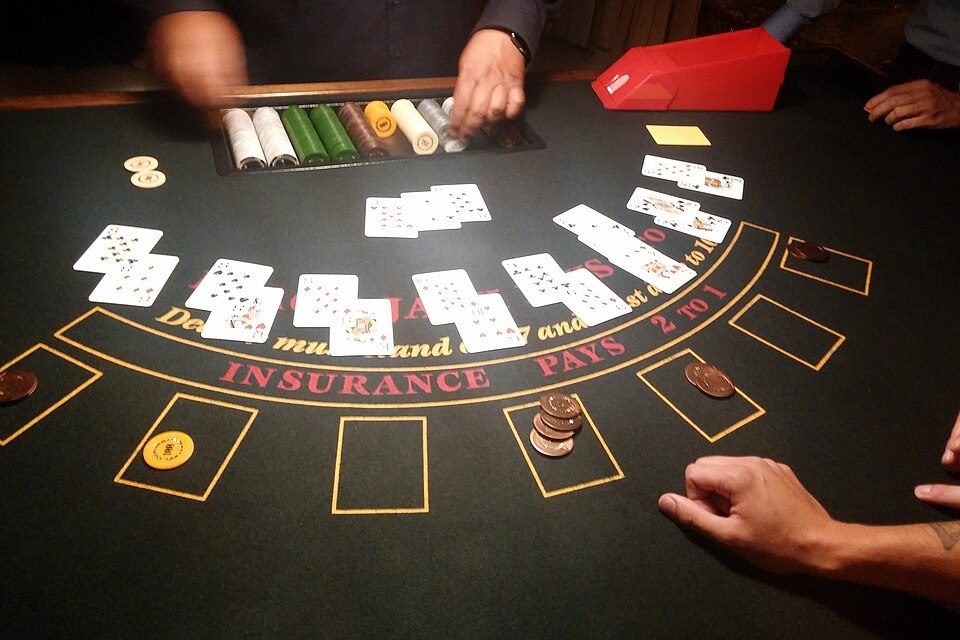
Blackjack. With good rules and perfect basic strategy, the edge can be around 0.3%–0.6%. With bad rules, it can rise above 1.5%–2.0%. Key levers:
- Payout for blackjack: 3:2 (good) vs 6:5 (bad for you).
- Dealer stands on soft 17 (S17) vs hits (H17).
- Double after split (DAS) allowed or not.
- Early/late surrender offered or not.
Rule sets and their effect are mapped well on the blackjack rules and house edge by rule set page. One note: all low edges in blackjack assume you play basic strategy with no big mistakes.
Video poker. Many talk about “9/6 Jacks or Better.” That number shows the pay table: 9 for a full house, 6 for a flush. With perfect play, the edge is about 0.46%. Drop the pay table to 8/5, and the edge can jump to 2%–3% or more. See a deep catalog of pay tables and returns here: full-pay Jacks or Better returns. Again, “perfect play” means you choose the right hold for every draw, every time.
Games of pure chance (same core, many skins)
Roulette. European (single zero) has a 2.70% edge on most bets. American (double zero) has 5.26%. Triple‑zero can be ~7.69%. Some places add “la partage” or “en prison” to even‑money bets; that can cut the edge to ~1.35% for those bets. For the math build of the wheel, see the mathematical structure of roulette odds.
Baccarat. Banker bet is ~1.06% edge (after the small commission). Player is ~1.24%. Tie is about 14.36% when it pays 8:1. This is why most guides say to avoid tie.
Games with “trap” bets
Craps. Pass Line is ~1.41%. Don’t Pass is ~1.36%. Place 6/8 is ~1.52%. But many props (like any 7, any craps, hardways) run much higher and are not great for long play. True‑odds add‑on bets have no house edge but need a base bet first, which does. For a simple, clean list, see craps probabilities at a glance.
Provider‑driven and wide in range
Slots. Online slots often sit near 94%–98% RTP (so 2%–6% edge). Land “penny” slots can hold more. Exact figures change by title and by the version your site runs. Some states post real hold data for their floors. As one example, see state-reported slot payback data in Massachusetts.
Outside the classic casino floor but key to grasp the “margin” idea
Sportsbook. The “edge” is the hold from prices. On a spread with -110 on both sides, the book’s cut is about 4.5%–5%. It shifts by market and timing. You can learn how this math works here: how bookmaker margins are calculated.
Poker (cash games). There is no house edge on the cards. The room takes a rake or a time fee. Your long‑term result depends on skill vs the table after rake.
Quick math intermission
Say you bet $5 per spin on single‑zero roulette (edge 2.70%). In 1,000 spins, you wager $5,000. The expected loss is 2.70% of that: $135. You could lose less, or more, or even win after 1,000 spins. But if you scale to 100,000 spins, your result will tend to sit near that edge. That is the pull of big numbers.
“Comps” and promos can chip at the edge. A 0.2% comp rate, a light bonus, or cash back helps. But they rarely flip a negative game into a true positive one unless you play perfect strategy on a rare low‑edge setup with strict rules. Read the terms first.
How to use this in real life
- Check rules before you sit down. 3:2 vs 6:5 matters. S17 vs H17 matters.
- Look for RTP or pay tables on the game info screen. If you cannot find it, ask support.
- Avoid “fancy” table variants that add zeros or side bets unless you enjoy the price of fun.
- Keep bet size steady. Systems like Martingale change risk, not the edge.
- Set a stop‑loss and a stop‑win. Walk away on both.
Need a single place to compare rules and RTP across sites? Use an independent review hub. For crypto sites and rule notes in one spot, see independent crypto casino reviews. It helps you verify which version of a game you will get.
If you meet jargon you do not know, the AGA has a clear list: gaming terms explained.
Big cheat sheet: common house edges by game
These are typical figures under common rules. Local rules may change them. The “Best Case” needs optimal play when skill matters. The “Worst Common Variant” shows how rules can raise the edge.
| Blackjack — 3:2, S17, DAS | ~0.5% | ~0.3% with ideal rules + perfect basic strategy | ~1.8–2.0%+ with 6:5, H17, no DAS | 3:2 vs 6:5; S17 vs H17; surrender; decks | High | Rule effects overview |
| Roulette — European (single zero) | 2.70% | ~1.35% on even‑money bets with la partage | American 5.26% / Triple‑zero ~7.69% | Zeros; partage/en prison rules | None | Wheel math |
| Baccarat — Banker / Player / Tie | ~1.06% / ~1.24% / ~14.36% | — | Worse tie payouts raise edge more | Commission; tie payout (often 8:1) | None | Standard shoe rules assumed |
| Craps — Pass / Don’t Pass | ~1.41% / ~1.36% | Odds bets have 0% but need base bet | Prop bets can be 9%–16%+ edge | True odds offered; prop payouts | Low | Probabilities |
| Video Poker — 9/6 Jacks or Better | ~0.46% (perfect play) | Some rare tables get near 0% | 8/5 or worse: 2%–3%+ edge | Pay table; perfect strategy | High | Pay tables |
| Slots — online mass market | ~2%–6% (RTP 94%–98%) | High‑RTP versions on some sites | Land “penny” slots often hold more | Title RTP setting; version by operator | None | State data |
| Sic Bo — Big/Small | ~2.78% | — | Many prop bets 8%–18%+ | Payout table | None | Standard tables assumed |
| Sportsbook — two‑way markets | ~4%–6% hold (varies) | Sharp markets, low overround | Exotics and small markets hold more | Prices; limits; market timing | Medium | Hold math |
| Poker (cash) | No house edge; rake applies | Low, capped rake helps skill shine | High rake kills small edges | Rake method; cap; seats | High | Room rules; local policy |
Notes: Blackjack assumes multi‑deck shoe unless stated. Baccarat tie assumes 8:1 pay. Roulette edges shown for standard pay tables. Video poker “best case” assumes perfect strategy. Slots vary by title and version. Sportsbook hold depends on market and price.
Common myths and the real story
- “Betting systems beat the house.” No. They change the path of risk. They do not change the edge.
- “Slots get hot or cold.” No. Each spin is an independent draw. Streaks happen by chance.
- “Double‑up soon clears a loss.” It may clear a small loss. It also risks a large loss fast.
- “Side bets are small fun.” Maybe, but they often have a high edge. Know the price.
Where to verify numbers and rules
Start with regulators and labs. Many publish guides or reports. For RTP policy, see the UK note on RTP disclosure. For testing, see a lab’s page on independent RNG testing. For slot hold, some states post data, like the Massachusetts reports. For math refreshers, see the roulette math page and this clean expected value basics video.
Then, cross‑check rules at the table or in the game info. If you want a quick place to compare crypto casino rules and RTP notes, an independent hub like independent crypto casino reviews can save time. Always confirm the version you see on your screen.
FAQ
Can I get the house edge to zero?
Only in rare spots (like odds in craps), and even then, it is attached to a base bet that has an edge. In normal play, no. You can lower it by picking better rules and using correct strategy.
Why does the same game “pay” different in two places?
Rules and pay tables can differ. Slots can ship with more than one RTP setting. Blackjack tables can pay 3:2 or 6:5. Triple‑zero roulette exists next to single‑zero. The small print is the key.
What matters more, edge or variance?
Both. Edge sets the long‑run cost. Variance sets the ride. A low‑edge, high‑variance game can still drain a small bankroll fast.
How often do sites change RTP?
Not often, but it happens. Some providers let operators pick from a few RTP settings when they add a game. Check the info screen or ask support.
Do bonuses beat the edge?
They can help. But terms (wagering, max bet, game weight) matter. Most of the time, they reduce cost, not flip it to a true edge for you.
Key takeaways
The house edge is not a secret. It is the math of rules and pay tables. Small rule changes move money over time. If you choose games and rules with care, you lower your long‑run cost. If you do play, set limits, check the rules, and treat it as paid fun, not income.
If gambling harms you or someone you know, seek help right now: problem gambling help.
Methodology, sources, and assumptions
Figures come from standard casino math and public sources cited in text: Investopedia (definition), Khan Academy (EV), MathWorld (roulette), Wikipedia (blackjack rules), Britannica (craps), UK Gambling Commission (RTP policy), Gaming Labs International (RNG testing), Massachusetts Gaming Commission (slot reports), American Gaming Association (glossary), Wizard of Odds (video poker), Football‑Data (book margins). Where a range is shown, the high/low points reflect common rule sets or pay tables. Local rules can differ. Always verify on site.
18+ only. Gambling can become harmful; free, confidential help is available 24/7 from the National Responsible Gambling Programme on 0800 006 008. This page is general information, not legal or financial advice.